
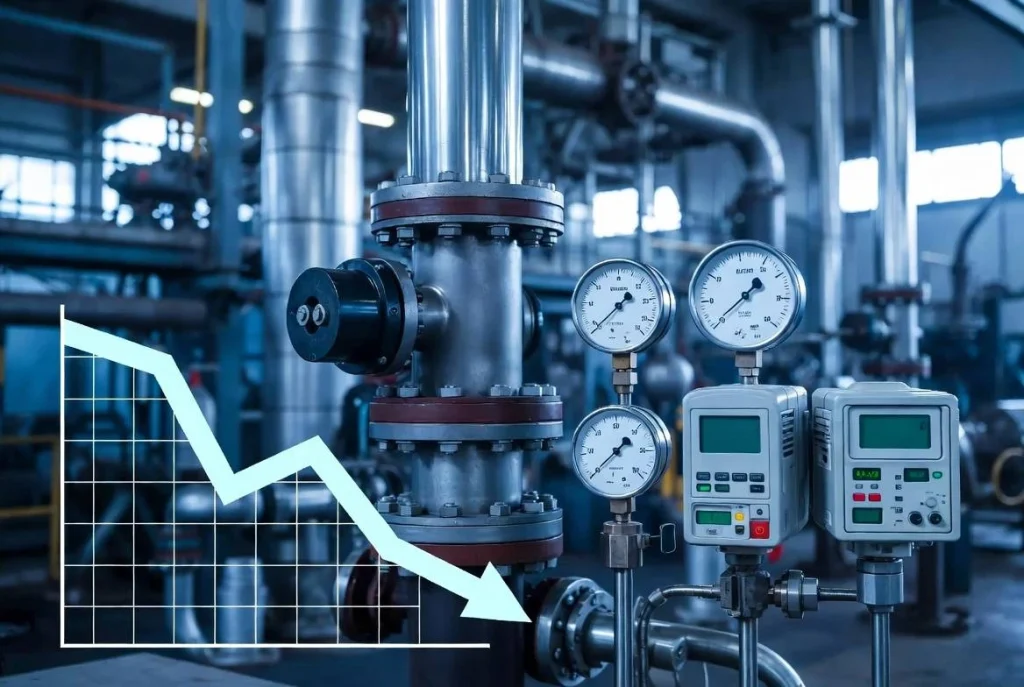
In this article, we examine how choosing the right instrumentation can reduce repair costs by lowering failures, optimizing maintenance, and extending equipment life.
In various industries, repair costs are one of the most important parts of operating expenses. A large share of these costs is not caused by the repair itself, but by unexpected breakdowns, production stoppages, premature part replacement, and unplanned maintenance. Choosing the right instrumentation can significantly reduce these costs by improving monitoring accuracy, identifying faults early, and making maintenance decisions more effective.
What Role Does Instrumentation Play?
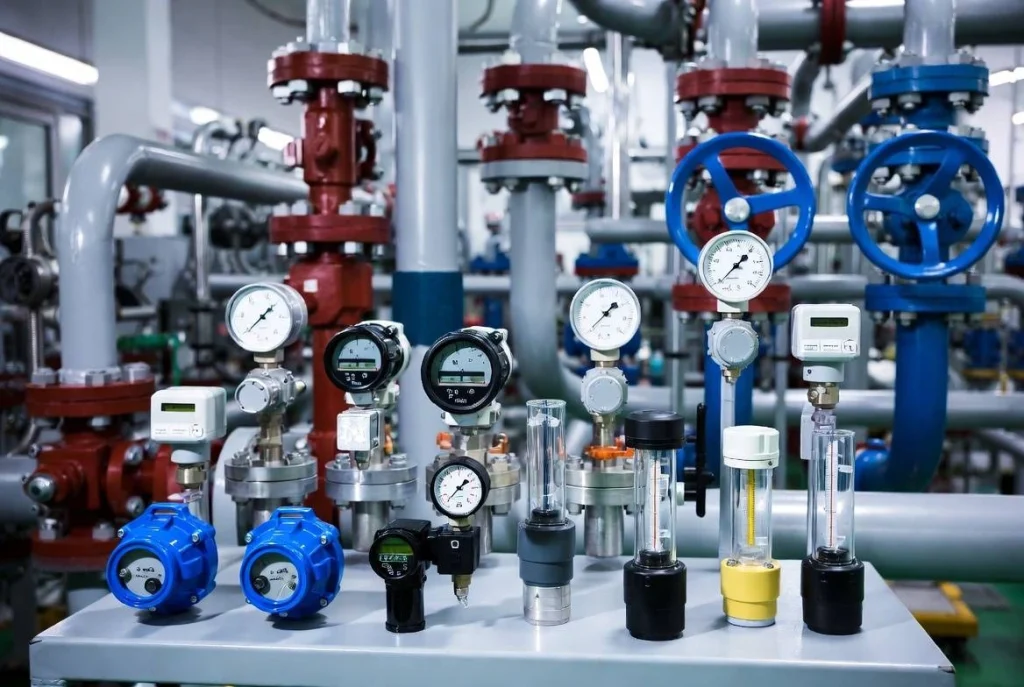
Instrumentation includes equipment such as pressure transmitters, temperature transmitters, flow meters, level sensors, vibration sensors, and monitoring systems. These devices record the actual process conditions and equipment health, helping the maintenance team take action before a small issue turns into a major failure.
Why Do Repair Costs Increase?
Repair costs usually rise when equipment operates without proper monitoring. In such situations, failures become sudden, wrong parts are replaced, production stoppages last longer, and spare-parts inventory is not managed properly. Some studies show that proper spare-parts management and reorder timing can reduce maintenance costs by up to 30%.
How Does Proper Instrumentation Create 30% Savings?
Proper instrumentation reduces repair costs through several main paths:
- Early detection of issues.
Accurate sensors and transmitters detect abnormal changes in temperature, pressure, vibration, or flow very early and prevent major failures. - Avoiding unnecessary repairs.
When the actual condition of equipment is known, repairs are performed only when truly needed. This is one of the most important factors in condition-based maintenance cost reduction. - Reducing unexpected downtime.
Unplanned production stoppages are usually more expensive than the repair itself. Instrumentation provides timely warnings and creates a chance to intervene before a full shutdown occurs. - Optimizing spare parts.
When you have accurate data about equipment condition, spare-parts purchasing and usage become more targeted, and tied-up inventory capital is reduced. - Extending equipment life.
Regular monitoring and data-driven maintenance reduce wear and tear, allowing equipment to operate longer before requiring major repair.
Practical Example
Suppose an industrial pump on a production line shows abnormal temperature and high vibration. If proper instrumentation is not installed to monitor it, a bearing failure may occur suddenly and shut down the entire production line. But with temperature and vibration sensors, the maintenance team notices the problem several days earlier, prepares the required part, and performs the repair at a planned time. The result is both lower repair cost and minimal production interruption.
Which Instruments Have the Greatest Impact?
For reducing repair costs, the following equipment provides the highest return:
- Pressure and temperature transmitters.
- Vibration sensors.
- Accurate flow meters.
- Industrial level sensors.
- Monitoring and data logging systems.
- Calibrated and reliable process control equipment.
Criteria for Choosing the Right Instrumentation
To make sure instrumentation truly reduces cost, you should check the following before purchasing:
- Measurement accuracy.
- Stability in harsh industrial conditions.
- Calibration capability.
- Compatibility with the process type.
- Resistance to humidity, vibration, and high temperature.
- After-sales support and spare-parts availability.
If cheap but unstable instrumentation is chosen, it will increase repair costs in the long run rather than reduce them.
Link to Preventive Maintenance
Proper instrumentation is the backbone of preventive and predictive maintenance. When you have accurate data about equipment performance, you can schedule repairs before a failure occurs. According to industrial reports, this is one of the most effective ways to reduce emergency repair costs and improve productivity.
Conclusion
In simple terms, proper instrumentation is not just a measurement device; it is a cost-reduction tool. By selecting the right equipment, you can detect failures earlier, make repairs more targeted, optimize spare-parts usage, and avoid costly shutdowns. For this reason, in many industrial plants, the use of proper instrumentation can reduce repair costs by up to 30%.
One Response
Hi, this is a comment.
To get started with moderating, editing, and deleting comments, please visit the Comments screen in the dashboard.
Commenter avatars come from Gravatar.